Choosing a garden shredder: blade or slow-turning, branch size and power
Checked 23 November 2026
The two main kinds of garden shredder, what the maximum branch diameter really limits, mains, battery or petrol, and the safety points to follow — using the makers’ own figures.
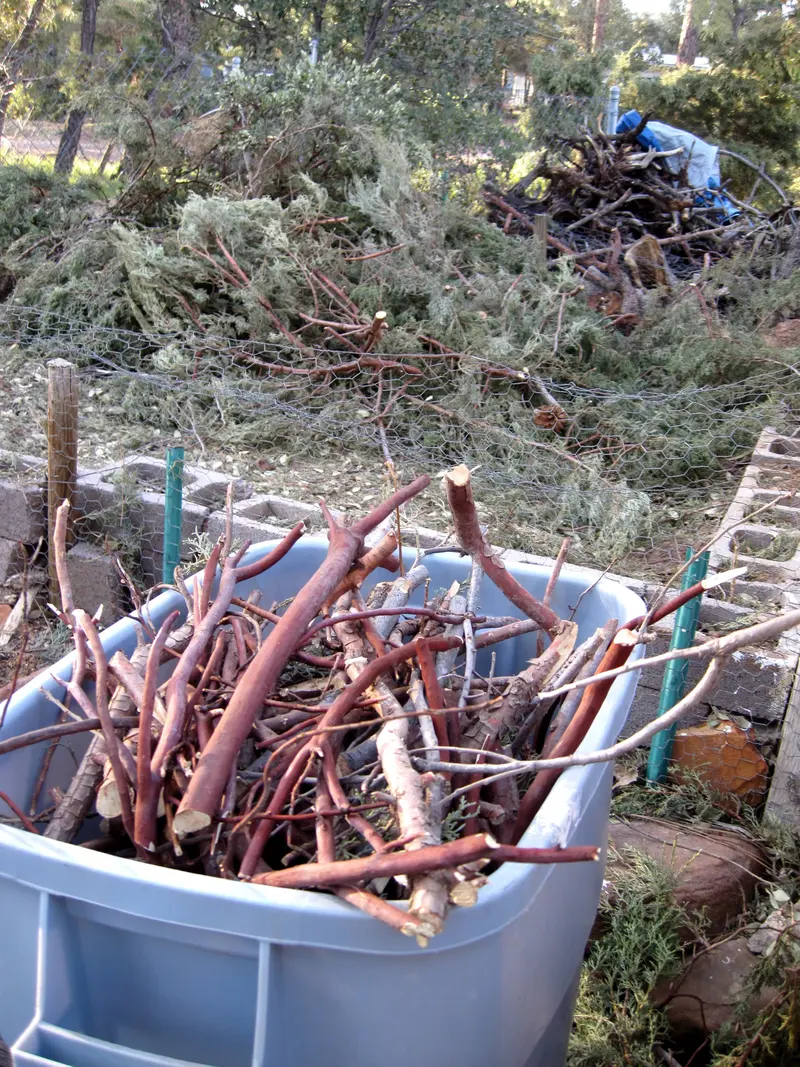
A garden shredder turns a heap of prunings into a few bags of chippings that compost faster and take up less room in the green waste bin. Shredders look alike in pictures, but they cut in different ways, and the right one depends mostly on what you prune. This guide uses the makers’ own figures for the garden shredders on this site.
Blade shredders and slow-turning shredders
Most home shredders are one of two kinds.
Blade (impact) shredders spin a cutting blade at high speed. Bosch’s AXT Rapid 2200, for example, has a hardened steel blade turning at 3,650 rpm, takes branches up to 40 mm and weighs 12.1 kg. Its blade is double-edged and can be reversed for longer use, and Bosch describes the machine as lightweight and easy to move across lawns and patios.
Slow-turning shredders crush and cut with a heavy cutter that turns slowly and draws branches in by itself. Bosch’s AXT 25 TC uses what Bosch calls a Turbine-Cut system turning at just 40 rpm, takes branches up to 45 mm and weighs 30.5 kg, with a 53 litre collection box. Bosch describes it as quiet, and supplies a prodder for guiding softer material and thorny branches into the hopper.
Some machines combine the two ideas. STIHL’s GHE 150 has a blade unit with extra wing and ripping blades and a wide “cloverleaf” opening for bushy, branched cuttings, takes branches up to 35 mm and weighs 26 kg.
The maximum branch diameter
Every shredder has a maximum branch diameter, and it is a limit, not a target: never force thicker wood through. If much of your pruning is near the limit, choose a machine with some margin, and set thicker wood aside for the log pile or the recycling centre. Branch thickness is measured across the stem; a thick knot or fork can be wider than the branch itself.
Mains, battery or petrol
- Mains shredders are the most common, typically rated at 2,000–2,500 W on the models we list. You’ll need a socket within reach, an outdoor-rated extension lead and RCD protection (see below).
- Battery shredders avoid the cable. Bosch’s UniversalShredder 2x18V-25 runs on two 18 V batteries, takes branches up to 25 mm and is sold without batteries or charger — check what you already own. Bosch doesn’t give a run time per charge, so it suits occasional, lighter loads.
- Petrol shredders are for big gardens and places with no power. STIHL’s GH 460 has a 190 cm³ Briggs & Stratton engine, takes branches up to 60 mm and weighs 59 kg without fuel. It has two openings: one for woody material and one for soft garden waste. Petrol brings fuel storage and exhaust with it — see storing petrol at home and our article on petrol, battery or mains.
Other things to compare
- Collection: a rigid box or a fabric bag, and how much it holds. Bosch quotes 53 litres for the AXT 25 TC’s box and 28 litres for the UniversalShredder’s bag.
- Size and storage: Bosch says the AXT 25 TC’s hopper stores inside its box, bringing it down to about 67 cm tall.
- Safety interlocks: STIHL says opening the GHE 150’s closing screws triggers a switch that cuts the power, so it can’t start while you work on the blades.
- Noise: if you have close neighbours, compare the sound power levels in the makers’ specifications. Our article on noise and neighbours explains what the figures mean.
Using it safely
Electrical Safety First’s advice for shredders and woodchippers:
- protect the socket with an RCD, or use an RCD plug if your fuse box doesn’t have one
- check the machine and cable for damage before use; use only an outdoor-rated extension lead, fully unwound, kept away from water
- wear a full-face visor (better than goggles alone), gloves, sturdy shoes and long trousers, and hearing protection if the machine is loud; tie back long hair and tuck in loose clothing
- never put your hand inside to clear a jam, and unplug before inspecting a machine that has cut out
- keep other people and animals at least 15 metres (50 ft) away
- don’t use it on a windy day or when the ground is very wet, and dry it before storing it in a shed or garage
Use the prodder the maker supplies to push material in, never your hands. Our guides to eye, face and breathing protection and noise and hearing protection cover the kit.
Using the chippings
The RHS describes shredded or chipped prunings as the “brown”, woody part of a compost heap and suggests that 25–50 per cent of a heap should be soft, leafy green material, with the rest chopped-up woody material, so that no one ingredient dominates. Shredding long stems before adding them helps them break down. Chippings also make a mulch — our article on shredding the Christmas tree has the RHS’s mulching tips.
General information only. Always read and follow the maker’s manual and safety instructions, wear the protection it tells you to, and keep children and pets away from machinery. This guide summarises official and makers’ guidance; it isn’t legal or professional advice.
Sources
- Bosch DIY UK: AXT Rapid 2200 garden shredder (checked 23 November 2026)
- Bosch DIY UK: AXT 25 TC garden shredder (checked 23 November 2026)
- Bosch DIY UK: UniversalShredder 2x18V-25 (checked 23 November 2026)
- STIHL UK: GHE 150 electric chipper shredder (checked 23 November 2026)
- STIHL UK: GH 460 petrol chipper shredder (checked 23 November 2026)
- Electrical Safety First: Garden shredders and woodchippers (checked 23 November 2026)
- RHS: Composting (checked 23 November 2026)
Checked 23 November 2026.